


Reports of discrimination are rising sharply
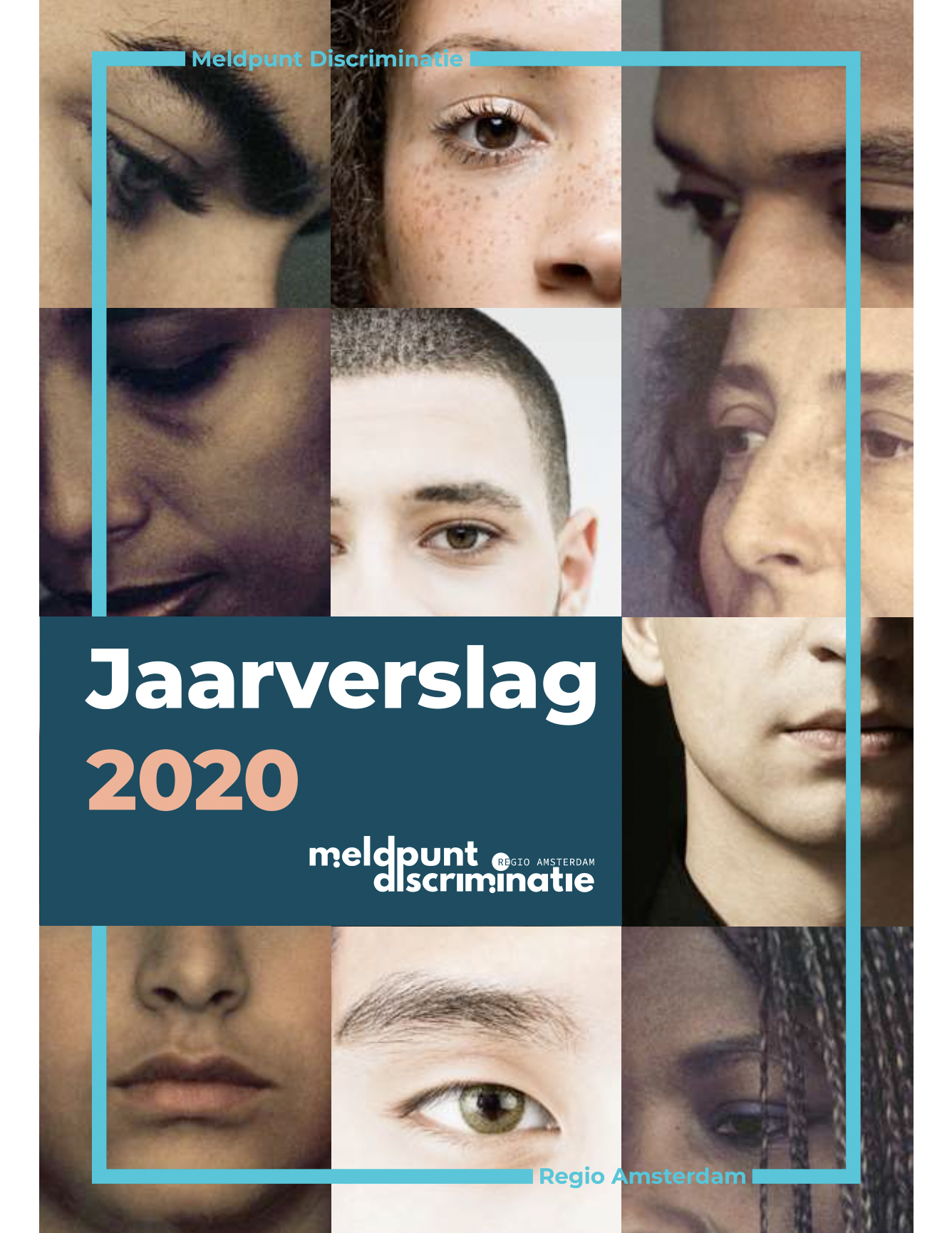
The Amsterdam Region Discrimination Helpline will present its 2020 annual report on Thursday 22 April. In 2020, the number of reports doubled: reports rose from 595 in 2019 to 1,309 in 2020.
The past year has been an extraordinary one, with a great deal happening in society, from the global coronavirus outbreak to the Black Lives Matter movement. All of this has also had an impact on the MDRA. For example, the Helpline received many reports of discrimination from people of Asian descent due to discriminatory comments about the coronavirus and people of Asian appearance. The Black Lives Matter movement organised a protest in Amsterdam on 1 June 2020, where more than 5,000 people spoke out against discrimination and racism. The growing unease within Dutch society regarding discrimination and racism was reflected in the number of reports received by the Helpline, with a rise of no less than 120 per cent compared with 2019. As in 2019, more than half of the reports concerned discrimination on the grounds of ethnic origin or skin colour.
Origin and skin colour back to 1
Ethnic origin and skin colour are the grounds for discrimination on which the Discrimination Hotline receives the highest number of reports each year. This figure rose sharply in 2020, from 318 reports in 2019 to 944 reports in 2020. Part of this increase relates to the bulk report concerning the stigmatising Radio 10 song Prevention is better than the Chinese, with 406 reports. Even excluding this bulk report, there was still a significant increase in reports based on origin and skin colour in 2020. This represents a rise of almost 70 per cent compared with 2019. Around a quarter of these reports specifically concern anti-Black racism (141 reports). In the wake of the coronavirus crisis, there was a sharp rise in the number of reports of anti-Asian racism, with eight reports in 2018, ten reports in 2019 and no fewer than 523 reports in 2020 (117 reports excluding the bulk report concerning the Radio 10 song). These often involve racist insults and abuse, sometimes combined with coronavirus-related remarks.
The labour market is the main area of discrimination
As in previous years, the most frequently reported incidents of discrimination occur in the labour market. In the Amsterdam region, 161 incidents of discrimination occurring in the labour market were reported. Reports often concern discrimination on the grounds of ethnic origin or skin colour, gender, age, disability or chronic illness, and religion. Most reports relate to incidents in the workplace, followed by discrimination during the recruitment and selection process and discrimination upon leaving employment (for example, during a dismissal procedure).
Violence and threats continue to rise
Reports of violence and threats rose for the second year running. In 2019, 53 reports of threats were received, a figure that doubled to 107 reports in 2020. The majority of these (more than 70 per cent) involved threats based on ethnic origin and skin colour. In just over 15 per cent of cases, the threats were based on sexual orientation. In 2019, 20 reports were received concerning violent incidents. This figure rose to 45 reports in 2020. In almost 60 per cent of the violent incidents, ethnic origin or skin colour was cited as the ground for discrimination. In 30 per cent of the reports, sexual orientation was cited, and three reports involved violence against transgender people.
Treatment, support & mediation
As an anti-discrimination body, the primary role of the Discrimination Helpline is to provide support to members of the public who experience discrimination. Half of all reports received involve requests for such assistance. For example, victims were offered psychosocial support or guidance in filing a police report, support in building resilience, or a request was made on the reporter’s behalf for an opinion from the Netherlands Institute for Human Rights. Although we were not always able to be in the office due to the coronavirus pandemic, we remained available throughout the year to all residents of Aalsmeer, Amstelveen, Amsterdam, Diemen, Ouder-Amstel and Uithoorn. Our report ‘Anti-Black Racism in the Amsterdam Region’ received a great deal of national publicity. That report provided insight into the nature, scale and personal impact of anti-Black racism. Our new website and social media posts also contributed to raising the Helpline’s profile.
Click here to download the annual report.